
Why your dog kicks off in the car, and how to help them relax according to Aylesbury expert
Dogs who turn every car journey into a barking frenzy could be feeling trapped and overwhelmed, a veteran trainer has warned.
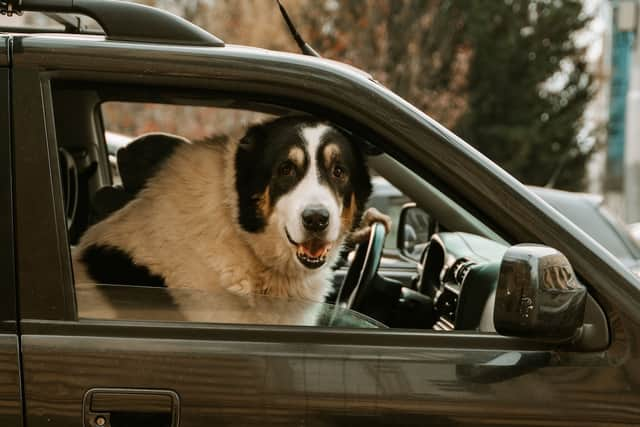

And while owners may assume their noisy passenger is protecting them from passing cyclists, pedestrians or other dogs, the behaviour often has more to do with insecurity than bravery.
Debbie Potter, veteran dog trainer and owner of Potter Paws in Aylesbury, Bucks, says understanding what is driving the barking is the first step towards a more peaceful journey.

“Your dog isn’t setting out to make the journey difficult,” she said. “They may be startled, frustrated or worried, and in a car they have very few ways to deal with those feelings.
“They can’t move further away, investigate through sniffing or use all the choices they would normally have on a walk. Barking can become their way of responding.”
Even dogs who appear comfortable passing people and other animals on a lead can struggle when watching them through a car window.
Outside, they can sniff, turn away and move around to help manage an encounter. Behind glass, something can suddenly appear and disappear before they have had a chance to understand it.
The physical barrier can also cause frustration, particularly when a dog wants to approach something but cannot reach it.
Debbie says owners should avoid assuming that a dog barking from the back seat is acting as a bodyguard.
“It can look as though they are seeing off everyone who comes near you, but often you are watching a dog who feels unsure or unsafe,” she said.
“Once you understand that, the focus changes to helping them feel more comfortable.”
That work can begin away from the car, with calm walks and opportunities to watch the world from a distance they can comfortably manage.
Allowing dogs time to sniff, move away and disengage from something that worries them can help build confidence.
But once an owner is behind the wheel, Debbie says the priority must be driving safely.
“You cannot run a training session while you are driving,” she said. “Your eyes need to be on the road and your hands on the wheel. Preparing the car before you leave can make a real difference.”
Reducing the view of passing triggers may help some dogs settle. Options include suitable film on rear side windows or a partial cover over a securely fitted travel crate, provided ventilation is maintained and the dog does not become too warm.
Anything used must leave the driver’s visibility clear, and dogs should always travel suitably restrained.
Where practical, reducing unnecessary journeys while working on the problem, or taking another adult along to support the dog, may also help.
Pet Remedy can help dogs have a more settled journey too, as part of a wider approach that includes comfortable travel arrangements, careful management and confidence building.
Debbie compares progress to a game of snakes and ladders, where positive experiences help dogs move forward, while repeatedly becoming overwhelmed can make progress harder.
“The aim is to make journeys easier for your dog to cope with,” she said. “Every calmer experience gives them a chance to build confidence." She added.