
New winter heating guidance issued as concerns grow over households in Buckinghamshire living in cold homes
As temperatures start to fall, new guidance has been issued to households in Buckinghamshire amid growing concerns people are putting their health at risk by lowering the thermostat in an effort to reduce their energy usage.
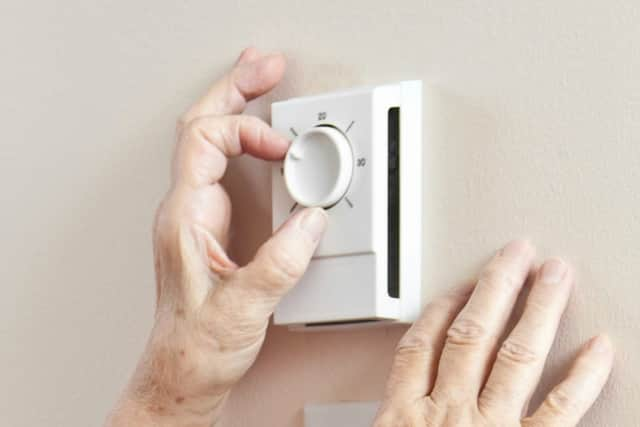

Last winter, more than two million households planned to keep their central heating off, a 22% rise on the year before, according to Uswitch. People living alone were the most likely to go without (10%), along with 5% of households with young children.
Living in cold temperatures can cause increased risk of respiratory illnesses, circulatory problems and have a detrimental impact on mental health. The World Health Organisation (WHO) recommends living rooms are kept at a minimum of 21 degrees and bedrooms don’t drop below 18 degrees for at least 9 hours a day.
In response OFTEC, which runs a registration scheme for off-grid heating technicians, has issued a winter checklist to help households reduce their energy costs without resorting to turning down the temperature. The advice includes:
Have your boiler serviced. An annual service helps to check everything is working correctly and can help avoid the cost and inconvenience of emergency repairs further down the line. It will also help to improve efficiency as the system is optimised during the service – which means you’ll use less fuel. Remember to use an OFTEC (for oil) or GasSafe (for mains gas) registered technician as they are regulated and follow strict safety and professional standards.
Check your fuel levels. Recent events in the Middle East have affected fuel prices which has meant some households on oil heating have delayed topping up. The UK and Ireland Fuel Distributors Association (UKIFDA) recommends not waiting until your tank is nearly empty before ordering. Keeping at least 500 litres of oil in your tank avoids the need for urgent reorders, and can help reduce the risk of sediment and other contaminants being drawn into your heating system. The UKIFDA Cold Weather Priority Scheme allows participating UKIFDA distributors to prioritise deliveries to eligible customers aged 75 and over during periods of extreme cold weather.
Apply for financial support. If you are struggling with your heating needs, it’s important to check your eligibility for financial support. The Cold Weather Payment scheme runs from 1st November to 31st March. If you receive certain benefits, and the average temperature in your area is recorded as, or forecast, to be 0˚C or below over seven consecutive days, you may be eligible for £25 a week for each seven-day period of cold weather. You may also be entitled to the, Crisis and Resilience Fund, Winter Fuel Payment or Warm Home Discount.
Check your radiators. Bleeding your radiators may help them work more efficiently by letting out any trapped air inside which can leave ‘cold spots.’ However, with modern pressurised systems, this can lead to complications if you try to do it yourself. And, if air is getting into the system, professional help may be needed to solve whatever is causing the problem. If you notice cold spots in your radiators, contacting your local OFTEC registered heating technician is recommended.
Adjust your heating timers. Many of us change our heating timers over summer but forget to put them back for winter. Make sure your house is only warming up when you need it to, particularly if you are out of the house during the day for work.
Malcolm Farrow, from OFTEC, said: “As we head into the colder months, it’s a difficult time of year for many households worrying about the cost of keeping their heating on. But turning down the thermostat and living in a cold home can have a negative impact on your health, which is why it’s so important to check your eligibility for government schemes as financial support is available for struggling households.
“There are also other steps we can all take to help reduce our energy usage, from adjusting timers to checking radiators are working efficiently. If you are concerned about your heating system, don’t put off having it inspected by a technician. Delaying can lead to the problem becoming more serious and more expensive to fix. Or worse you could be left with no heating at all. We also recommend regularly checking in with vulnerable neighbours to ensure they are keeping warm and well this winter.”