
‘It’s not the naughty boy disorder’: ADHD through a female lens
"I wanted to bring attention to the differences in my final year project”
A project challenging the misconceptions around Attention Deficit Hyperactivity Disorder (ADHD) is deeply personal for Photography student Evie Davies, who was diagnosed with the condition at just seven years old.
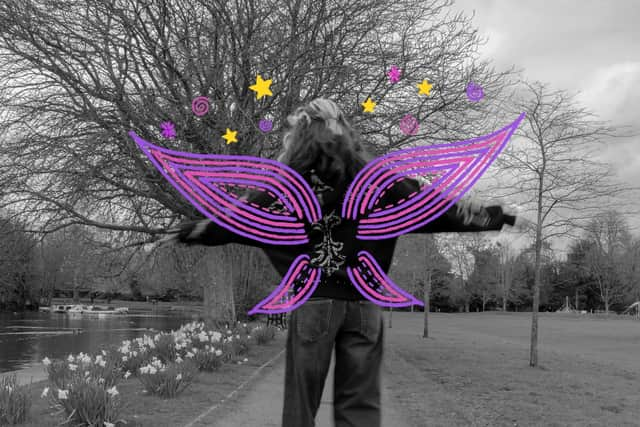

Although she knows she was lucky to be diagnosed so young, much of the support she received didn’t fit her needs because most ADHD guidance (and research) is based on boys. Evie’s final year photography project aims to challenge those misconceptions, giving voice to the experiences of women living with the condition.
"People often picture ADHD as the 'naughty boy disorder' – disruptive behaviour in classrooms, can’t sit still. But for many women, it looks very different," she said. "I wanted to bring attention to the differences in my final year project.”
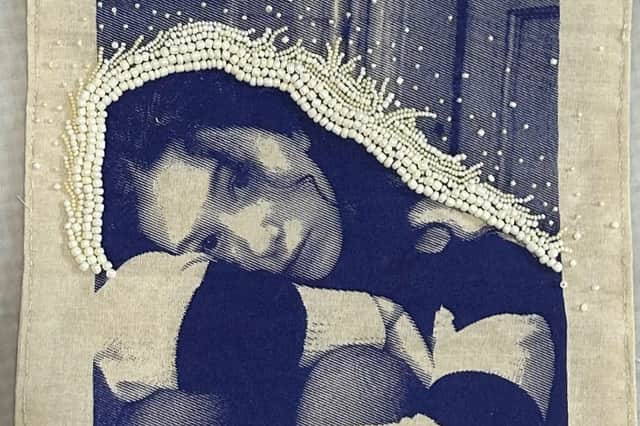
Her mixed-media project, ADHD: Through The Lens, which will go on show as part of next week’s *BNU Art & Design Show explores how ADHD presents differently in women and the impact this can have on identity, relationships and self-understanding.
Through interviews with other young women with ADHD, Evie explored common themes including isolation, self-esteem, emotional regulation and the challenges of receiving a diagnosis later in life. One participant, who was diagnosed at the age of 20, described feeling different from her peers throughout her teenage years without understanding why. "She felt isolated even when she was surrounded by friends," says Evie. "I wanted to show that experience visually."
Rather than simply documenting her subjects, she invited participants to help shape the visual language of the project through colours and imagery that reflected their experiences. "I didn't want to take away their voice. At every stage I shared the work with them to make sure it represented how they felt."
The resulting body of work combines photography with a range of mixed-media techniques including screen printing, painting, digital illustration, embroidery and beadwork- a tactile approach which was a deliberate creative choice.
"People think of ADHD as a mental condition, but it has a huge physical impact on people's lives, it’s so draining" Evie said. "I wanted the project itself to feel physical."
Embroidery became an especially important part of the process. Originally a hobby she picked up during the summer, the repetitive nature of stitching offered something unexpected. "It was one of the few things that quietened my brain," she says. "I felt really calm doing it. I thought it was interesting to combine that feeling of calm with images that represent much more chaotic experiences."
Alongside highlighting challenges such as ADHD paralysis, emotional dysregulation and masking behaviours, the project also celebrates the creativity and unique perspectives often associated with neurodivergence.
"I didn't want it to be entirely negative," says Evie. "I don't agree with the idea that ADHD is a superpower, because it can be really difficult to live with. But I do think our differences should be celebrated."
The project has also had an impact on Evie personally. Through speaking with other women who share similar experiences, she discovered a sense of connection she had rarely felt before. "For the first time, I didn't feel alone," she says. "The things they were describing were things I'd felt my whole life but never realised other people experienced too."
As visitors explore Evie’s work at this year's Art & Design Show, Evie hopes it will encourage greater understanding and empathy. For neurodivergent audiences, she hopes the project offers reassurance that they are not alone. For everyone else, she hopes it challenges assumptions and encourages people to look beyond the headlines.
"The biggest thing I want people to understand is how hard we're trying," she says. "People often think ADHD means you're lazy or not making an effort, but that's not true. Sometimes your best looks different from day to day. We're trying our hardest – it just might take us a little longer to get there."
Visitors are invited to experience this work in person at Buckinghamshire New University’s Art & Design Show 2026. The show brings together innovative work from final-year students across art, design and creative disciplines. Visit here for full details, opening times and to plan your visit.