
Is Halloween a nightmare for YOUR dog? Expert reveals common mistakes Bucks owners make that could leave pets terrified
Halloween is meant to give us a fright, but the family dog may find the celebrations more frightening than fun.
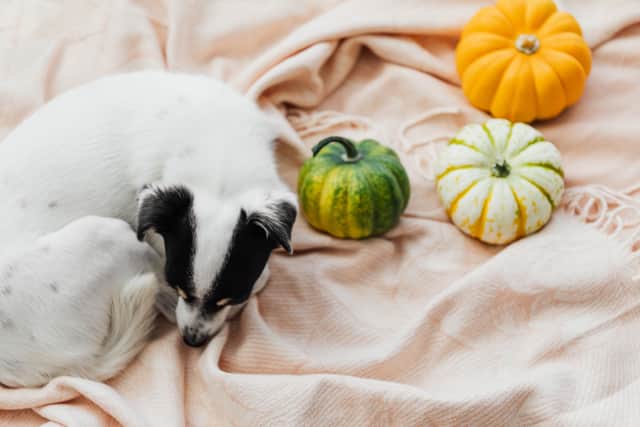

From masked visitors and rustling costumes to unfamiliar smells and repeated knocks at the door, October 31 can turn a normally reassuring home into a confusing place.
Now Andrew Hale, emotional wellbeing expert for Pet Remedy, is encouraging owners to consider the evening from their dog’s point of view, starting with whether they should be wearing fancy dress.

A costume might look adorable in a photograph, but owners should consider how it affects their pet’s ability to move, see, hear and communicate. Animal charity Blue Cross also warns that costumes can make it harder for dogs to read one another’s body language.
Andrew’s own position is clear: “Personally, I am against any dressing up of dogs,” he said. “Anything to benefit them like a jumper or coat is different of course.”
He also advises keeping dogs at home during trick-or-treating and away from events where people in costumes could frighten them.
Andrew works with Pet Remedy, a range of pet calming products including sprays and wipes, designed to help animals feel more relaxed. His Halloween message centres on giving dogs a sense of safety and a choice about joining in.
Here are Andrew's six ways to help your dog have a less spooky evening.
1. Leave fancy dress to the humans
Before putting a dog in a costume, think beyond how they will look.
Does it restrict their movement, cover their eyes or ears, or interfere with their ability to sniff? Can they move away comfortably, and are they choosing to stay involved?
Andrew distinguishes clothing that serves a practical purpose, such as a suitable coat for cold weather, from dressing an animal up for our entertainment.
Owners can enjoy their own costumes while allowing their dog to remain comfortable.
2. Keep trick-or-treating a human outing
A street full of excited children, unfamiliar silhouettes and sudden noises can be overwhelming.
Andrew recommends keeping dogs at home rather than taking them from door to door, and avoiding Halloween parties or events where costumes may unsettle them.
An earlier walk on a familiar route can help owners maintain their dog’s usual routine before the evening celebrations begin.
3. Take the pressure off the front door
For a nervous dog, a stream of strangers arriving at home may be particularly difficult.
Andrew suggests putting up a sign asking people not to knock or ring the bell.
A simple message explaining that a frightened dog lives inside can help visitors understand why the household is sitting out trick-or-treating. A secure, comfortable space elsewhere in the house can reduce the risk of a dog slipping outside during repeated visits from strangers.
4. Give them somewhere to retreat
Prepare a quiet, familiar place where your dog can settle, with their usual bed, water and favourite belongings.
Let them choose whether to spend time with you or withdraw from the activity. A dog who moves away from a visitor should be allowed that space, rather than encouraged back for a photograph or introduction.
If you are hosting, explain to guests that your dog may prefer some peace and ask them to respect it.
5. Make treats dog-friendly
Your dog can enjoy a treat without sharing the trick-or-treat haul.
Offer a small amount of a familiar dog treat, or use some of their usual food in a favourite food toy or gentle sniffing game.
Keep children’s sweets, chocolate and discarded wrappers somewhere your dog cannot reach as chocolate, foil and other ingredients associated with Halloween candy could cause a medical emergency for your pet.
There is no need for unfamiliar festive food to make the evening special. A familiar reward and time spent together may be a much more welcome treat.
6. Let your dog set the pace
A dog does not have to join the party to be part of the family.
Watch how they respond to visitors and changes around the house, and give them the opportunity to move away. Avoid insisting on greetings or keeping them close to something they find frightening.