
InterLync showcase highlights the power of hands-on STEM learning in Buckingham
InterLync welcomed guests from the University of Buckingham and the wider local community for a special showcase session celebrating the power of hands-on STEM learning for young people.
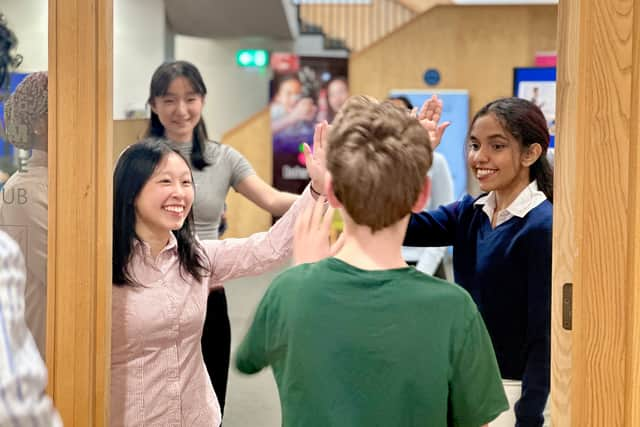

The event brought together university leaders, academics, local councillors, parents, mentors, and young learners to see InterLync in action and experience the growing impact of the programme within the Buckingham community. Guests included Councillor Fran Davies Mayor of Buckingham, Councillor Robina Ahmed and Howard Mordue, Mr David Cole Interim Vice-Chancellor of the University of Buckingham, Dr Simon Jones, Interim Chief Academic Officer, Professor Harin Sellahewa, Dean of FLCP, Prof Nigel Adams, Professor Luca Turin, Dr Shazia Iqbal, Laura Whitty, and Jane Mordue, Chair of Friends of the University of Buckingham.
InterLync is a not-for-profit, student-led STEM innovation hub based at the University of Buckingham. The programme gives young people practical access to robotics, artificial intelligence, coding, 3D printing, electronics, and project-based learning through regular weekend sessions.
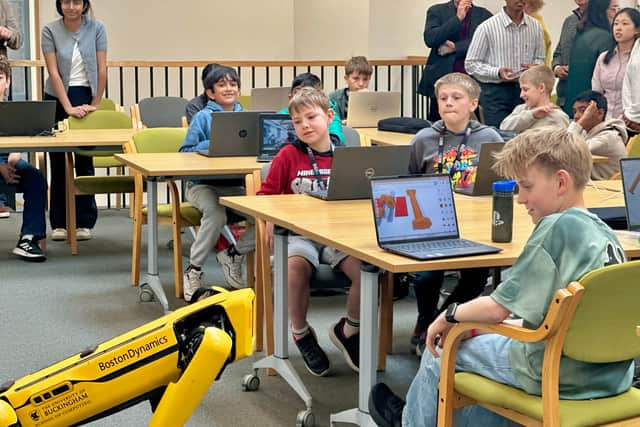
At a time when technology is shaping almost every part of education, work, healthcare, engineering, business, and daily life, InterLync aims to make future-facing skills more accessible to children at an early stage. The programme is built around a simple but powerful idea: young people should not only learn about technology, they should be given the chance to build with it, question it, and imagine how it can be used to solve real problems.
During the showcase, students continued their usual hands-on learning activities while guests had the opportunity to meet the children and university mentors supporting them. Young learners explored robotics, AI discussions, coding, 3D printing, and creative project ideas, demonstrating the curiosity, confidence, and imagination that InterLync is working to nurture each week.
A central part of InterLync’s mission is to help bridge the gap between higher education and early STEM learning. By bringing children into a university environment and connecting them with university student mentors, the programme creates a rare link between young learners and higher education. For many children, this may be their first meaningful experience of learning within a university setting.
This connection benefits both sides. Children gain access to practical technology learning, role models, and a sense of belonging in a space they may one day aspire to join. University students gain leadership, mentoring, teaching, communication, and community engagement experience while using their knowledge to make a direct difference.
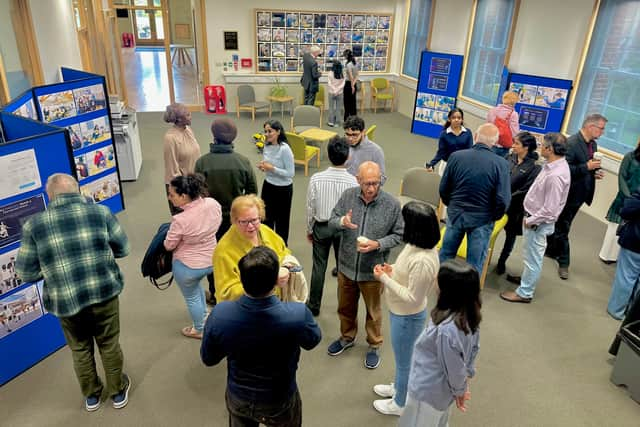
The visit highlighted how powerful this model can be when the university, local community, parents, mentors, and young people work together. Guests were able to see not just a workshop, but a growing community built around opportunity, encouragement, and shared belief in the potential of young people.
InterLync is also committed to widening participation in STEM. The programme encourages children from different backgrounds to explore technology in a supportive and inclusive environment, with a particular focus on inspiring more girls to take part in robotics, AI, coding, and 3D printing activities. The aim is to help every child feel that technology is not something distant or reserved for a few, but something they can understand, shape, and create with.
The not-for-profit model is central to InterLync’s approach. Rather than operating as a commercial technology hub, InterLync focuses on keeping learning accessible, practical, and community-facing. Fees and support are directed towards equipment, materials, resources, mentoring, and future development of the programme.
A key moment during the event was the introduction of InterLync’s next ambition: the InterLync Humanoid Robot Project (https://interlync.org/#robot-fund). This new fundraising initiative aims to bring advanced robotics into the workshops, giving young learners supervised access to technology more commonly found in universities, laboratories, and industry settings.
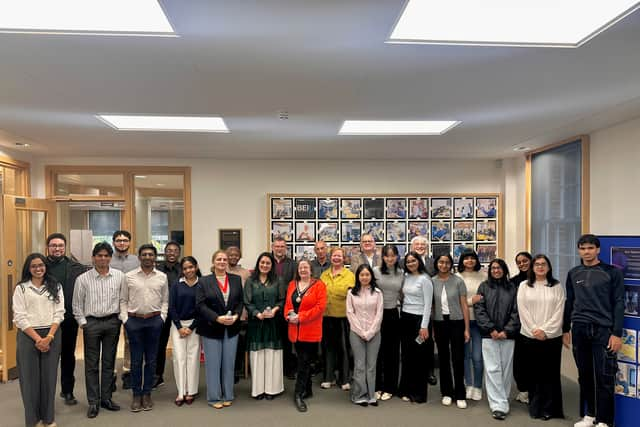
The project would allow children to explore robotics, AI, sensors, movement, engineering, and ethical questions around future technology in a highly engaging and practical way. By introducing advanced robotics into a youth learning environment, InterLync hopes to inspire children to think more boldly about what they can build, design, and contribute in the future.
The day also reflected the importance of community support. The presence of local representatives, senior university staff, academics, parents, and supporters demonstrated a shared commitment to giving young people meaningful opportunities beyond the traditional classroom.
InterLync’s work shows how early exposure to technology can build more than technical ability. It can build confidence, problem-solving skills, creativity, teamwork, communication, and ambition. For children who may not see themselves as future engineers, designers, programmers, scientists, or innovators, experiences like these can open a door.
As InterLync continues to grow, its long-term vision is to create a strong pathway for young people to develop future-ready skills while strengthening the bond between the University of Buckingham and the wider community. The programme aims to become a place where children can explore ideas, build real projects, meet inspiring mentors, and begin to see themselves as creators of tomorrow’s technology.
Parents, schools, community groups, and supporters interested in learning more about InterLync can visit interlync.org.