
Buckinghamshire manufacturing innovator invited to Number 10 to help shape UK's AI future
"It was a privilege to represent both Buckinghamshire and the manufacturing sector at such an important discussion”
A High Wycombe manufacturer is leading the way for pioneering the practical use of artificial intelligence to improve customer experience and strengthen British manufacturing has been invited to 10 Downing Street to help shape the Government's approach to AI adoption among UK small and medium-sized businesses.
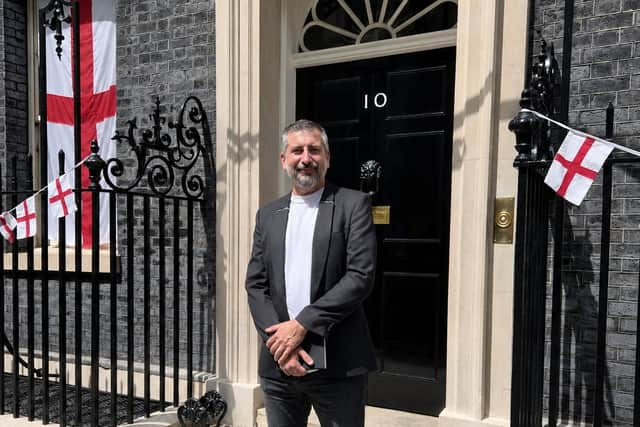

Kris Theophanous, Managing Director of Bradbury Tracks Ltd and a Board Member of Buckinghamshire Business First, represented Buckinghamshire at the invitation-only roundtable alongside a select group of other SME leaders from around the country. Gathered together by Buckinghamshire Business First in partnership with Laura Kyrke-Smith MP, the discussion explored how Government can help smaller businesses embrace artificial intelligence, driving productivity, innovation and long-term economic growth.
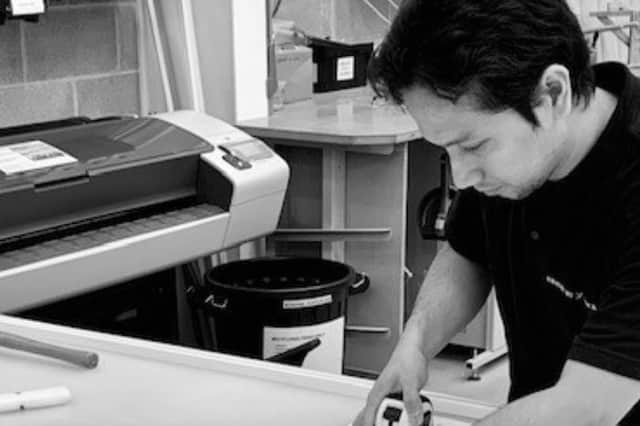
The invitation recognised Bradbury Tracks' investment in AI and digital innovation, with the company already developing customer-facing software and internal AI tools that demonstrate how emerging technologies can solve real business challenges while supporting, rather than replacing, skilled people.
The discussion formed part of the Government's wider ambition to accelerate the adoption of artificial intelligence across the UK economy, recognising the vital role that small and medium-sized enterprises play in driving productivity, innovation and economic growth. While larger organisations often have the resources to invest in emerging technologies, many SMEs face challenges around funding, skills and implementation. The roundtable provided an opportunity for business leaders to share practical experience and help shape policies that will support responsible AI adoption across British industry.
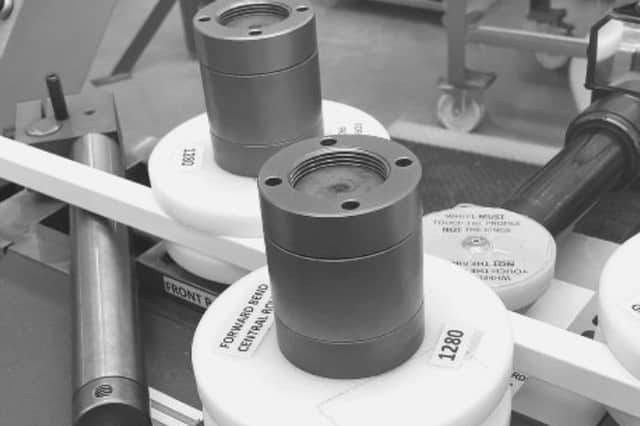
Based in High Wycombe, Bradbury Tracks manufactures bespoke curtain track systems for retail, trade, contract and international markets, supplying major partners such as John Lewis. While rooted in British manufacturing, the business has spent the last few years investing heavily in digital transformation to improve customer service, operational efficiency and manufacturing capability.
Under Kris's leadership, the company has introduced a new ERP and CPQ platform alongside the development of the Bradbury Order Buddy (BOB), its leading measurement and configuration technology designed to simplify the process of ordering bespoke curtain tracks. The software guides users through complex product selections, validates measurements and generates manufacturing-ready data, helping to reduce errors, improve first-time installation success and deliver a significantly better customer experience. The system is currently being piloted with John Lewis as part of the company's ongoing commitment to making bespoke products easier to specify and purchase.
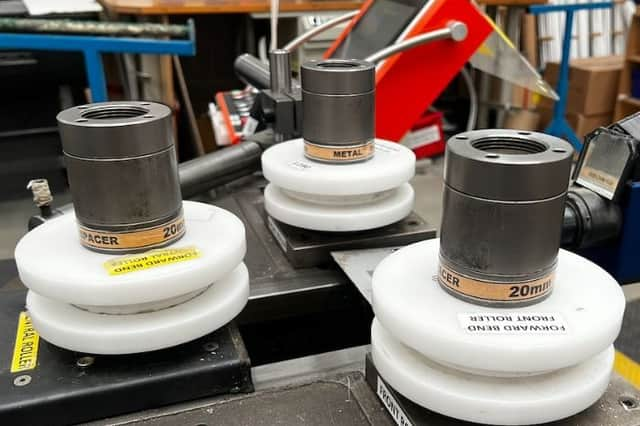
Alongside customer-facing innovation, Bradbury Tracks is also developing its own internal AI tools to automate repetitive administration, streamline data processing and improve operational efficiency. Rather than replacing skilled employees, the business is using AI to free its team to focus on problem-solving, customer relationships and delivering the high levels of service and craftsmanship for which the company is known.
The business is also exploring additive manufacturing and 3D printing as part of its long-term strategy to strengthen UK manufacturing, improve sustainability and reduce reliance on overseas supply chains. Speaking after the event, Kris said:
"It was a privilege to represent both Buckinghamshire and the manufacturing sector at such an important discussion. AI presents a real opportunity for small businesses, but its success will depend on making it accessible, practical and affordable for SMEs.
At Bradbury Tracks we've spent the last few years investing in our own software, not because AI is fashionable, but because our customers have real problems that technology can solve. Whether that's simplifying the process of ordering bespoke curtain tracks or automating repetitive administration, our focus has always been on improving quality, reducing mistakes and creating a better customer experience.
For businesses like ours, AI isn't about replacing skilled people. It's about giving them better tools, improving decision-making and allowing talented people to spend more time solving problems, building relationships and delivering value. Businesses that use technology simply to remove people often remove the very thing customers value most. The real opportunity is using AI to remove repetitive work, increase quality, reduce mistakes and enable skilled people to do what they do best."
As both a manufacturer and a Board Member of Buckinghamshire Business First, Kris also highlighted the wider opportunities and challenges facing growing SMEs. Discussions included the importance of supporting digital transformation, improving access to funding for AI adoption, addressing skills shortages in advanced manufacturing and helping smaller businesses move from early experimentation to successful long-term implementation.
He also emphasised the importance of continued support for ambitious SMEs investing in innovation. Bradbury Tracks has benefited from programmes such as Made Smarter, which have helped accelerate technology projects that would otherwise have taken significantly longer to deliver. Kris believes that if Britain is to lead in manufacturing innovation, continued investment in digital capability, technical skills and practical support will be essential to help smaller manufacturers turn ideas into commercial reality.
Bradbury Tracks believes manufacturers have an important role to play in shaping the UK's AI strategy by demonstrating how technology can enhance productivity, improve quality and support skilled employment without losing the craftsmanship and expertise that remain at the heart of successful British manufacturing.
Kris added: "The future of British manufacturing won't be built by AI alone. It will be built by talented people, supported by great technology."