
New M&S plan for Bucks town could create up to 100 permanent jobs
Plans for a new Marks & Spencer Foodhall in Amersham could create up to 100 permanent jobs, giving the town a potential retail employment boost and offering new opportunities for local workers.
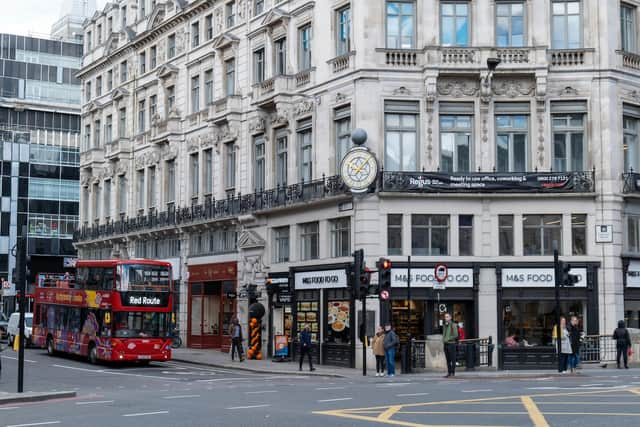

The proposed store would be a significant addition to the town’s shopping offer, with plans reportedly including a modern foodhall, customer parking, electric vehicle charging and accessibility features. If approved, the development could bring a well-known national retailer to a new site while supporting jobs across retail, management, logistics, customer service and store operations.
For Amersham and the wider Buckinghamshire area, the employment impact is likely to be one of the most closely watched parts of the proposal. Up to 100 permanent roles would represent a meaningful local hiring opportunity, particularly for people looking for flexible work, part-time hours, entry-level roles or a step into retail management.
Retail jobs can play an important role in local labour markets. They often provide opportunities for young people entering work for the first time, parents looking for flexible shifts, older workers seeking part-time employment and people who want to build customer-facing skills. A new store can also create progression routes into supervisor, department manager and store leadership roles.
The wider economic impact could also extend beyond the store itself. A new M&S Foodhall could draw additional shoppers to the area, increasing footfall and potentially benefiting nearby cafés, service businesses and other retailers. Customers who visit for a weekly food shop may also use local pharmacies, banks, salons, restaurants or independent shops.
However, any major retail development also raises questions for existing businesses. Local traders may welcome higher footfall, but some may worry about competition from a national chain. The impact will depend partly on the store’s location, customer patterns and how the wider town centre adapts.
For workers, the key question will be what type of jobs are created. Permanent roles are generally more valuable to a local economy than short-term or seasonal work because they provide more stability.
Employees are more likely to plan spending, build experience and develop skills when they have reliable employment.
There may also be training benefits. Large retailers typically have structured systems for onboarding, compliance, customer service, food safety, stock management and leadership development. Those skills can be transferable, helping workers build confidence and future employability.
The proposal comes at a time when recruitment remains a challenge for many employers. Retail, hospitality, logistics, care and customer service businesses often compete for workers with similar skills. Employers need to offer not only pay, but also predictable hours, training, progression and a positive workplace culture.
Some businesses facing skills shortages look beyond local recruitment, especially when they need specialist staff or want to fill roles quickly.
Services like Remote People can help employers access wider talent pools, but for a local retail scheme in Amersham, the biggest benefit would come from connecting residents with jobs close to home.
Local hiring can reduce commuting time, support household incomes and keep more spending within the community. If people can work near where they live, they may spend more in the local area before and after shifts. That can support cafés, transport services and other town-centre businesses.
A new store could also create opportunities for school leavers and students. Retail work can help young people develop punctuality, teamwork, communication, problem-solving and money-handling skills. For those who do not immediately go to university, a well-known employer can provide a route into work and career development.
For older workers or those returning after a career break, retail can offer a way to re-enter employment with structured training and flexible hours. That matters in areas where people may be balancing caring responsibilities, health needs or phased retirement.
The planning process will still be important. Residents will want to understand the development’s impact on traffic, parking, local roads and nearby homes. A foodhall can generate regular vehicle movements, deliveries and peak-time demand, so transport planning and site management will need careful consideration.
Accessibility should also be central. A modern store should work for disabled customers, older residents, parents with pushchairs and people using public transport. Good pedestrian routes, safe crossings and practical parking can help determine whether the store feels integrated into the community.
Sustainability features, including EV charging, could also make the scheme more future-facing. Retail developments are increasingly expected to consider energy efficiency, transport emissions, waste, refrigeration systems and building performance. Customers and councils are paying closer attention to how new stores fit with environmental goals.
For Amersham’s wider economy, the proposed M&S Foodhall could be a sign of confidence in the town’s spending power and long-term appeal. National retailers do not invest in new stores without expecting demand, and a project of this kind can influence how other businesses view the area.
Still, the best outcome would be one where the new store complements rather than weakens the existing local economy. That means encouraging linked trips, supporting local access and ensuring the development does not pull activity away from smaller traders without creating wider benefits.
If approved, the creation of up to 100 permanent jobs could be the clearest immediate gain. In a period when households continue to face cost pressures, new stable employment opportunities close to home are valuable.
The Amersham M&S plan is therefore more than a retail story. It is a jobs story, a planning story and a local economy story. If delivered well, it could provide new employment, attract shoppers and support confidence in the town’s future.