
If your dog tests your patience they may be teaching you something, says Aylesbury trainer
The dog who barks at everything, struggles to be left alone or refuses to be hurried might be teaching their owner valuable lessons in patience and compassion, a dog trainer says.
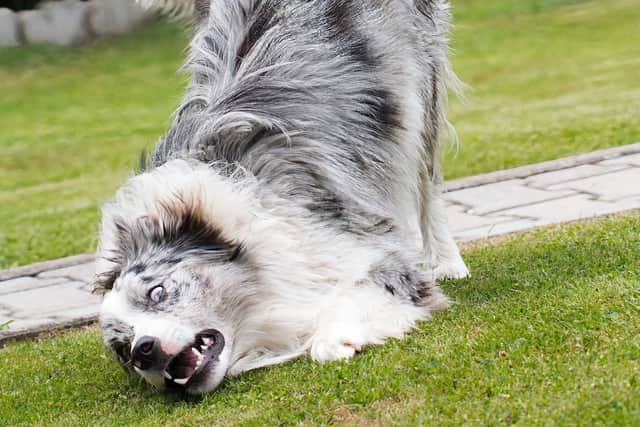

Veteran dog trainer Debbie Potter, owner of Potter Paws in Aylesbury, believes a difficult patch with a pet can change how people respond to stress and understand the needs of others.
And while exhausted owners may understandably focus on stopping the behaviour, she suggests another question could help: what is their dog teaching them?
“When your dog is doing something that frustrates you, exhausts you or leaves you wondering why you ever brought them home, one of the most useful things you can do is stop asking how to make it go away and start asking what it is teaching you,” she said.
“Almost every difficult phase with a dog carries a skill you will use for the rest of your life.”
According to Debbie, different dogs bring very different lessons into their owners’ lives.
An easygoing companion can provide a steady presence through bereavement, family changes and other upheavals, along with a daily reason to get outside.
A dog who learns quickly and enjoys training can help an owner build confidence, giving them room to try new things and develop their skills. But she says the dogs who find everyday life more difficult can demand a deeper understanding.
An energetic, emotionally sensitive dog who struggles to cope alone may prompt their owner to learn how stress affects behaviour — and why an approach that helps one animal may do little for another.
“Many owners find that what they learn about their dog’s emotional world changes how they understand the people around them too, including their own children,” Debbie said.
Some dogs, she explains, can become overwhelmed by pressure, even during an apparently gentle exercise such as being encouraged to follow a treat held in front of their nose.
In those cases, stepping back and allowing the dog time to make a choice can be more helpful than pushing ahead.
Rewarding a behaviour the dog offers willingly can help build trust, although progress may feel frustratingly slow.
“Working this way can feel painfully slow, but it builds genuine trust and lasting results, and it teaches the owner a level of patience that spills over into every other part of life,” Debbie said.
She encourages owners to consider what lies behind the moments that push their buttons.
A dog who reacts to every passing distraction may be giving their owner practice in recognising stress and remaining calm under pressure.
One who refuses to rush may be teaching them to respect another individual’s pace, while a dog who needs frequent reassurance can offer insight into supporting an anxious mind.
But Debbie stresses that finding meaning in a difficult experience should never mean accepting a situation that is damaging an owner’s wellbeing or their dog’s welfare.
“That does not mean you should simply put up with a situation that is hurting you or your dog, and reaching out for support is always the right move when things feel stuck,” she said.
“It does mean the struggle is rarely wasted, because the owner who comes out the other side is usually more skilled, more patient and more compassionate than the one who went in.”