
Buckinghamshire New University physiotherapist leads first-of-its-kind patient safety training in Nigeria
Frontline care in Nigeria is set to improve following a patient safety initiative led by Buckinghamshire New University (BNU) Senior Lecturer in Physiotherapy, Timothy Ishaku, who returned to his country of birth to deliver specialist training in safe patient handling.
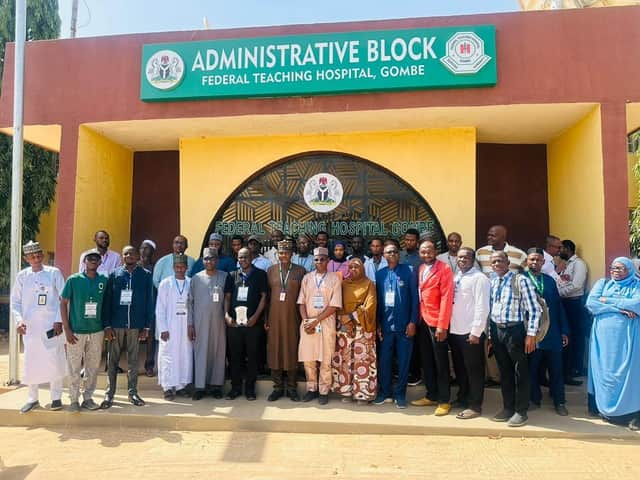

Timothy travelled to the Federal Teaching Hospital in Gombe, where he grew up, to run what he describes as “the first training of its kind, not just in the hospital, but in the country.”
His motivation is rooted in both family and career. “My dad worked in healthcare, and I knew I wanted to make a big difference too,” he said. “I studied physiotherapy back home but was drawn towards education. I loved being a clinician, but I wanted to make a bigger impact – to teach people rather than keep knowledge to myself.”
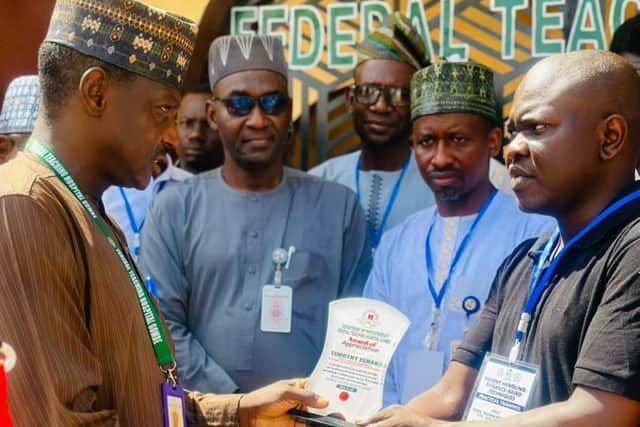
The training programme Timothy took over to Gombe focuses on a vital but often under-resourced area of care: safe patient handling. It trains healthcare workers to move and support patients in ways that reduce the risk of injury to both staff and patients. Using newly donated equipment, participants learned how to apply biomechanical principles, carry out risk assessments, and adapt safe techniques to resource-limited settings.
“It’s been really well received,” Timothy said. “These are skills staff use every day, so improving safety is hugely valuable.”
The equipment was funded through a £3,491 grant from the Chartered Society of Physiotherapy (CSP) and includes items rarely accessible in Nigerian hospitals, such as a hoist, patient turner, a slide board and bed rails. While standard in the NHS, these tools are often difficult and costly to source locally.
“For many participants, it’s their first time seeing or using this kind of equipment,” Timothy explained. “Being able to demonstrate how they work and reduce risk has been very impactful.”
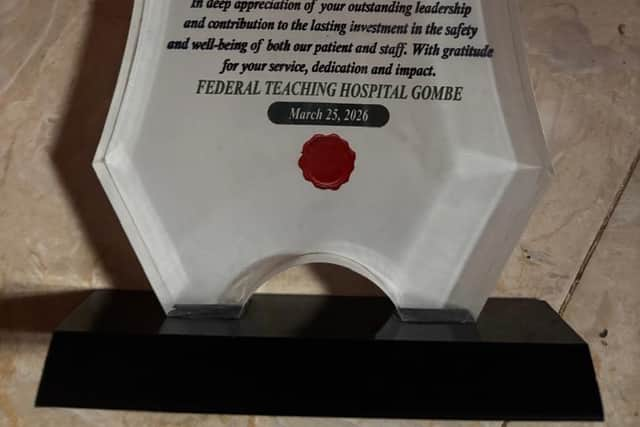
To help the training reach beyond a single hospital, representatives from Nigeria’s six geopolitical zones were invited through the Medical Rehabilitation Therapists (Registration) Board of Nigeria (MRTB). They are now expected to take what they have learned back to their own regions, helping to build a wider network of trained practitioners across the country.
“The national regulator recognised the importance of this training,” Timothy said. “They supported us by selecting representatives who can take this knowledge back to their local communities and continue the work.”
The choice of Gombe also carried personal meaning. “I know the gap that exists there,” he said. “Working at BNU, with its focus on knowledge exchange, gave me the chance to bring my skills back home in a way that could make a difference.”
The project is an important step in his career. Funded by the CSP’s charitable arm, it marks the first time he has secured and managed international funding to deliver training of this scale: “Being able use funding to support areas I’m passionate about that has this kind of direct impact is rewarding.”
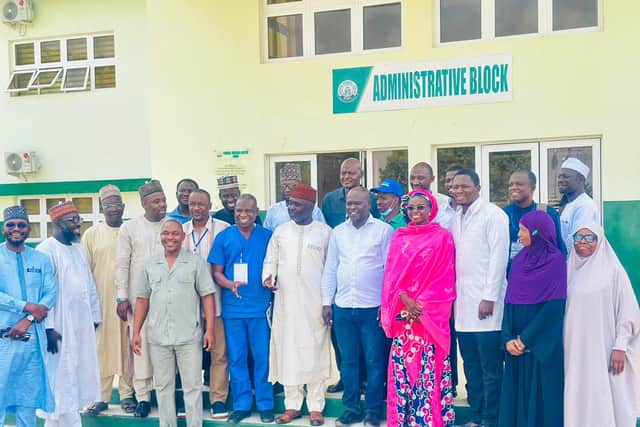
Feedback from participants and hospital leaders has been strongly positive. Professor Aminu Umar Usman, Deputy Chairman of the Medical Advisory Committee (Clinical) at the Federal Teaching Hospital Gombe, praised the initiative: “With your assistance, handling our patients, particularly the debilitated ones, becomes much easier,” he said. “You have made our work much easier. We are anxiously waiting for more collaborations with you.”
Keltuma Abdullahi Lawan, Head of the Physiotherapy Department at the Federal Medical Center in Kumo, added that the training had already made a difference in daily practice: “My chances of developing work-related musculoskeletal injuries, especially those associated with lifting, have been reduced. I am more confident handling my patients, and they feel safer as well.”
Beyond its immediate outcomes, it is hoped the initiative will strengthen further collaboration between UK and Nigerian healthcare professionals. Timothy has already been invited to return, with both sides expressing interest in building on the programme.
At its core, the project shows how specialist training, combined with personal commitment and international partnership, can help improve patient safety and support healthcare workers in challenging environments.
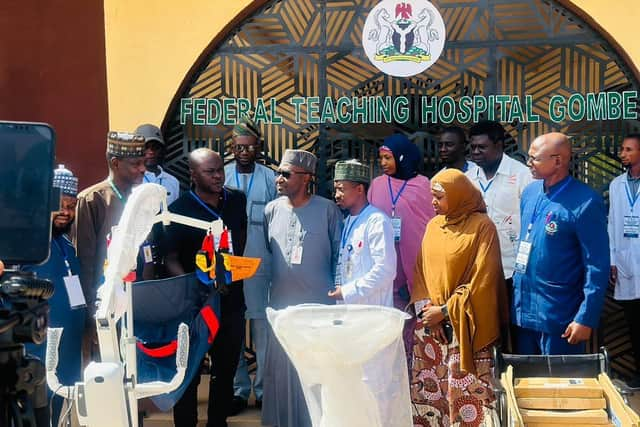
Reflecting on the project’s impact, Timothy said: “I'm surprised at the difference it is already making,” said Timothy. “Initially I just wanted to do my bit, but it turns out to be something very big - something very basic but very big that will change lives forever.”
Find out more about Physiotherapy courses available at BNU here
All eligible Physiotherapy students can apply for the NHS Learning Support Fund of at least £5,000 a year.