
Bucks councillors clash over the authority's controversial overseas recycling policy
Rubbish that is recycled in Buckinghamshire might be getting burnt in Turkey, a councillor has warned.
Ed Gemmell told a Buckinghamshire Council meeting this week that the authority did not know what had happened to the 9,000 tonnes of waste it sent to be recycled overseas last year.
The Independent politician told the council chamber: “I am sure all of you, whichever party you are in, would not want it to be exported to Turkey to be burnt.”
His warning came after it was revealed in June that the council was sending plastic, paper, metal and other waste to be processed thousands of miles away in countries including Turkey, India and Thailand.
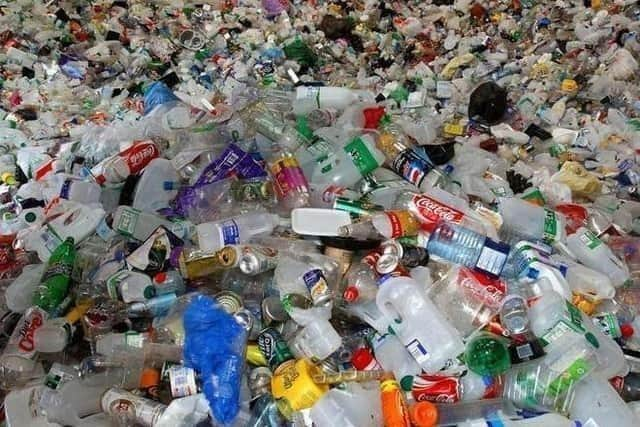

In response to the revelations, the council said that over 95 per cent of household waste collected in Buckinghamshire was dealt with in the UK, with 60 per cent – over 130,000 tonnes – dealt with in the county.
The Local Democracy Reporting Service (LDRS) asked the council if waste sent overseas ‘was burnt in the destination countries’ but the council did not confirm or deny this.
During this week’s meeting, Councillor Gemmell, who also leads the UK’s Climate Party, referred to previous media reports which suggested that the majority of plastic waste being sent to Turkey to be processed was entering waterways, being dumped beside railways or being burnt.
He was speaking to introduce a motion he and Green Party councillor Greg Smith had put forward in an attempt to commit the council to recycle all of its waste domestically.
However, chaos ensued after the Independent criticised an amendment on the motion put forward by Conservative councillors Thomas Broom and David Moore, which removed the words ‘recycled waste’ in some sections and claimed that council policies already ensure waste is recycled domestically and with the environment ‘considered’.
Councillor Gemmell told the meeting: “The whole point of the motion was about our recycling that is being sent abroad. It also takes the word ‘abroad’ out and ‘overseas’.
“It’s still meant to be on the same thing. Don’t we have a point in our constitution which doesn’t allow us to take out words that utterly negate what a motion’s about? Oh, we do, but we are not going to enforce it.”
The council’s constitution states that the changing of words in motions must ‘not negate the motion’.
Councillor Gemmell continued: “A motion on recycling has the word ‘recycling’ taken out and is still considered a motion. What a load of rubbish. Is this meant to be democracy? Why do we have a constitution if we don’t follow it?”
The councillor then withdrew the motion as he said it had been watered down to the point that it was no longer about recycling being sent overseas.
The council’s new chairperson Mimi Harker then said the motion had been withdrawn with the support of its seconder Councillor Greg Smith.
However, Councillor Richard Newcombe claimed that Councillor Gemmell could not withdraw his motion because he had spoken on it, referring to a section of the constitution banning councillors from speaking on a motion that a proposer has asked permission to withdraw.
Councillor Gemmell then tried to respond but amid shouting from other councillors, was cut off by Councillor Harker, who shouted ‘NO!’ at him and banged her gavel, before asking him to sit down and confirming that his motion had been withdrawn.
After the meeting, Councillor Broom wrote to Cllr Gemmell on Facebook: “You ran away from the political debate, withdrawing your motion in a tantrum because the amendment laid down gave all the facts and exposed the cheap trick you were trying to play on the public. Apologies if we spoiled your press release.”
In a follow-up statement, Councillor Gemmell told the LDRS that the amendment was a ‘cynical move by the Conservatives to dumb down the motion and turn it into a back slapping exercise congratulating themselves on the great job done in general in collecting and managing the general rubbish collected in Buckinghamshire’.
A Buckinghamshire Council spokesperson claimed that sorted, recycled materials sent abroad were ‘commodities in the worldwide market’ destined for countries with ‘better developed industries for recycling’.
They said: “The alternative for this small fraction of total waste collected is to send it for incineration locally, which would produce more carbon emissions than recycling – even if it needs to be transported further afield.”