
Natural History Museum in Tring wants to create plaque celebrating pioneering female scientist
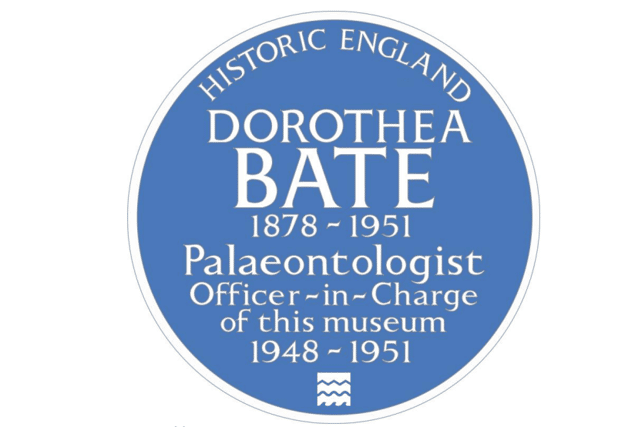
A new blue plaque in Tring could honour a renowned palaeontologist who was one of the first female scientists at the Natural History Museum.
The museum has asked Dacorum Borough Council for permission to erect an Historic England plaque honouring Dorothea Bate at their Tring site.

Ms Bate began working for the Natural History Museum in 1898, aged 19, and discovered numerous fossils of extinct species across England, Europe and further afield.
During the Second World War, Ms Bate was responsible for transferring precious artefacts from the museum’s South Kensington site to Tring and, after the conflict ended, she was appointed as officer in charge at the Hertfordshire Collection.
Ms Bate helped pioneer the new field of archaeozoology, analysing remains such as teeth, bones and horns from archaeological sites. Documents submitted on behalf of the Natural History Museum said that the plaque “will enable [Dorothea Bate’s] influence on palaeontology as well as on Tring’s most significant contribution to society to be understood and appreciated by visitors”.
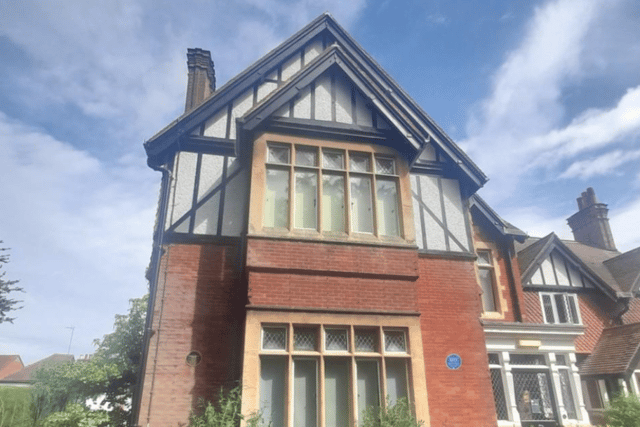
If approved, the plaque would be affixed to the wall of the original cottage at the Tring Natural History Museum, facing Park Street. There is an existing plaque on the wall commemorating Lord Rothschild, whose taxidermy collection is housed at the Natural History Museum’s site in Tring.