
Gardeners predict longer flowering window of snowdrops in Buckinghamshire in 2026
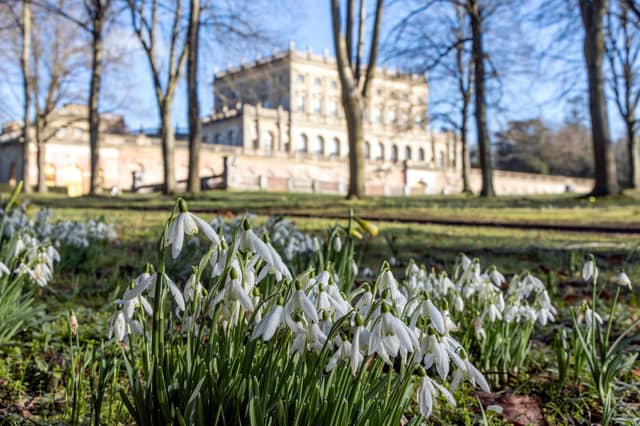

Flowering snowdrops traditionally herald the end of winter and provide welcome assurance that the brighter days of spring are on their way. Their latin name, Galanthus, means milk flower and on warm days they release a fragrance.
Nature Conservation Adviser for the National Trust, Jo Hodgkins comments: “It is always a joy when the first snowdrops break through the frozen ground. Along with aconites and primroses, they are the harbingers of spring. The flowers themselves arrive later in pure white glory and, on mild, late winter days, are beloved by early emerging bees. They are beautiful seen in half-light and, of course, amidst the winter snow.”
Last year, Cliveden saw a strong snowdrop performance due to the previous mild summer, giving a dramatic, abundant display in February. The iconic garden and estate near Maidenhead has been expanding its snowdrop collection over the past seven years and includes varieties such as Galanthus nivalis (the comment snowdrop), Galanthus Elwesii, which is a larger, showier flower and Galanthus nivalis Flore Pleno, a double-petalled variety.
This year, gardeners are anxiously awaiting to see whether the long hot summer of 2025 has affected flowering performance.
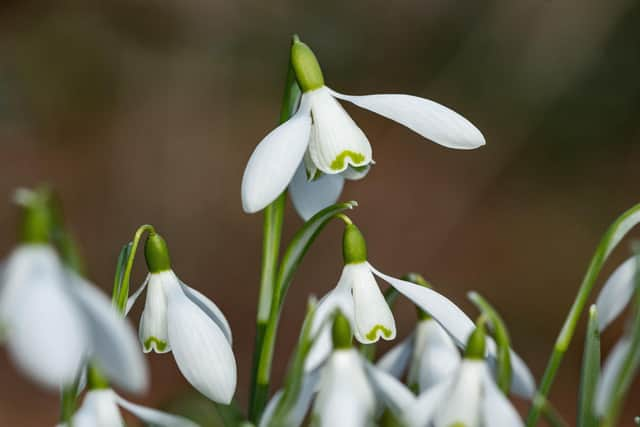
Cliveden’s Assistant Head Gardener, Alex Walker says: “Snowdrops like a milder summer prior to flowering and they also like partially shady, moist, but well-drained conditions. The summer of 2025 was officially the warmest on record, which may mean that some bulbs have dried out more than they would have liked and that could affect flowering performance.
“That said, the milder weather though early December means that some have started flowering already, so I think we may get a longer flowering ‘window’ with more time to appreciate the usually fleeting spectacle of snowdrop flowers here at Cliveden.”
The best places to see snowdrops at Cliveden are throughout the Water Garden, at the entrance to the Rose Garden and around the cascade on the slope leading away from Blenheim Pavilion. Visitors can pick up a snowdrop walks map at Cliveden’s Information Centre.
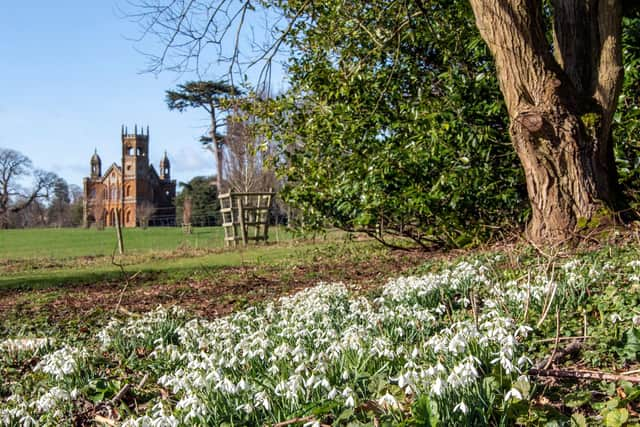
Stowedrops at Stowe Gardens
For a landscape designed without flowers, there are an awful lot of snowdrops at Stowe Gardens. So many, that there’s even a season named after them. Stowedrop season can start as early as New Year’s Day and go on until late February. The gardeners think the tiny white flowers appeared naturally, and have allowed them to remain and proliferate because they provide such a welcome spectacle at the beginning of the year. Visitors flock to Stowe Gardens from far and wide on an annual pilgrimage to see the snowdrops and lift their spirits in January and February.
Keep checking Stowedrop Watch on Stowe’s social media to find out when the clusters of delicate white flowers are blooming. There’s a Stowedrop trail map available to pick up at New Inn visitor reception, showing the best route to see them in their masses in the Elysian Fields, Sleeping Wood and Lamport Garden. There are also downloadable snowdrop walk directions on the Stowe Gardens website.
Snowdrops can also be seen in abundance at Hughenden near High Wycombe and Waddesdon, near Aylesbury. The grounds at Waddesdon are only open weekends in January and February until half term. Waddesdon has snowdrop tours of the private Eythrope gardens on 18,19 & 20 February costing £15.