
Fundraisers welcome brain cancer research discovery
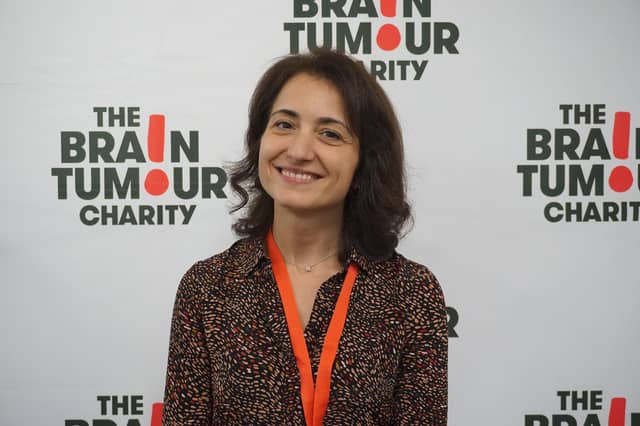

The family and friends of a Buckingham man who died from an aggressive brain tumour in 2019 have welcomed promising findings published by a researcher whose work they’ve funded. The Oli Hilsdon Foundation, which was set up in loving memory of Oli following his glioblastoma diagnosis, raised £1.5m to fully fund Professor Simona Parrinello’s research under The Brain Tumour Charity’s ‘Quest for Cures’ programme.
Professor Parrinello's team at the University College London Cancer Institute, funded by Cancer Research UK, focussed on the early stages of glioblastoma growth to uncover how it spreads. Their tests in laboratory models showed that the tumours damaged parts of nerve cells called axons - long, thread-like extensions that connect nerve cells in the white matter of the brain.
The brain’s natural response to this damage is to break down and clear away these damaged axons, but this fuels tumour growth and triggers inflammation.
Further lab tests successfully blocked this natural response by targeting the protein SARM1, which destroys damaged axons. In doing so, they kept the tumours in a less aggressive state and preserved brain function for longer.
As the drugs they used to target SARM1 are already being developed for early phase clinical trials into other conditions, such as traumatic brain injury (TBI) and motor neuron disease (MND), this paves the way for further research into their effectiveness at treating glioblastoma.
Commenting on the study, published in Nature on 20 August, Professor Parrinello said: “Our study reveals a new way that we could potentially delay or even prevent glioblastomas from progressing to a more advanced state.
“This is especially important as current therapies do not work well for glioblastoma, which is extremely difficult to treat, in part because it is typically diagnosed when it is already very advanced.
“These tumours are also linked to debilitating neurological symptoms. Blocking the brain damage triggered by tumour growth could be beneficial in two ways - by slowing the progression of the cancer and by reducing disability.
“The next step is to see if SARM1 inhibitors, already being trialled for other neurodegenerative diseases, could also be used to treat this aggressive form of brain cancer. However, we need to do more work in the lab before these inhibitors can be tried in patients with glioblastoma.”
Gigi Perry-Hilsdon, Chair of The Oli Hilsdon Foundation, said: "We know all too well the devastating statistics that currently exist in relation to glioblastoma, alongside the urgent need for better treatments.
“We are immensely proud to have fully funded this pioneering research, led by Professor Simona Parrinello, in partnership with The Brain Tumour Charity. Her team's unique approach to tackling this devastating disease at its early stages inspired us and gives hope that a breakthrough treatment is a possibility. This is further amplified by their recent, significant findings.”
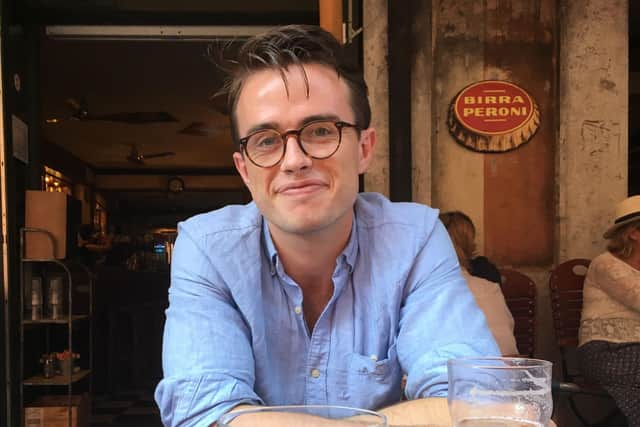
Oli was diagnosed with a glioblastoma multiforme at the age of 22 and given less than 12 months to live. But he coped with his diagnosis with "optimism, courage and a wicked sense of humour".
He ran the London Marathon in under four hours, worked full time, travelled the world and got married. He died in January 2019, just 10 days before his 27th birthday. The Foundation pledged to raise £1.5m towards Professor Parrinello’s research – and met their target a year early.
Glioblastomas are the most common form of brain cancer, with about 3,000 people diagnosed in the UK each year. The average survival time after diagnosis is about 12-18 months, and standard treatment (a combination of surgery, chemotherapy and radiotherapy) hasn't changed in decades.
You can read more about this research on The Brain Tumour Charity's website website here or read the paper in Nature here: ‘ Axonal injury is a targetable driver of glioblastoma progression’.